
Meet Karen Haberberg
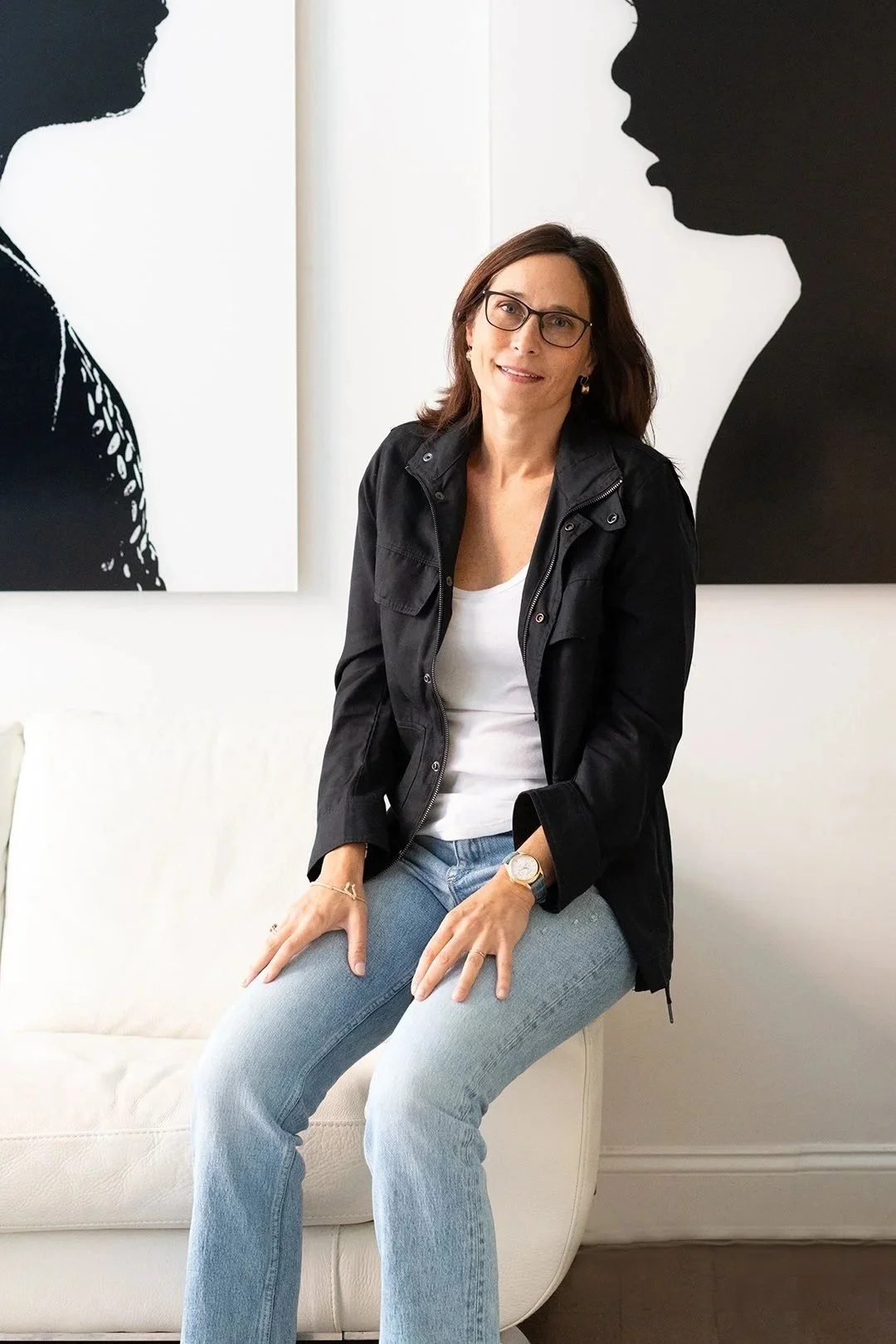
New York-based, award-winning photographer and director, Karen Haberberg specializes in health, wellness, and lifestyle brands through a thoughtful, human-centered approach.
A gifted visual storyteller, Karen is the author of acclaimed books exploring rare diseases and epilepsy, and her work has been exhibited internationally. Whether photographing patients, athletes, families, or healthcare professionals, she brings empathy, authenticity, and emotional depth to every project.
Beyond her commercial work, Karen is an educator, teaching at the International Center of Photography and 92NY in Manhattan while lecturing at institutions across the country. She also serves on the boards of the American Photographic Artists (APA) and the Children’s Neuroblastoma Foundation.
When she’s not on set, Karen can often be found photographing from helicopters or chasing dark skies to capture the Milky Way. She lives in New York City with her husband, their children, and their Golden Mountain Doodle, Aiko.
Every time Karen Haberberg knocks on a family’s door, she feels a sense of anticipation.
Not because she’s questioning the camera in her bag. She’s spent decades photographing Fortune 500 executives, healthcare leaders, patients, and celebrities. What gives her pause is what waits on the other side of the door: a child living with a rare genetic condition and a family willing to invite a stranger into one of the most intimate and vulnerable chapters of their lives.
“Creating a safe, comfortable environment is always my first priority, especially when I’m photographing children,” Haberberg says. “No image is more important than a child’s well-being.”
Haberberg says. When they feel secure and at ease, the photographs become more authentic, genuine, and meaningful.
It’s a simple philosophy, but one that has shaped her entire career. Whether she’s photographing a pharmaceutical campaign, documenting a patient story, or spending the day with a family in their home, every assignment begins the same way: by earning trust.
Haberberg’s connection to rare disease began long before she ever picked up a camera.
Before she was born, her parents lost a child to Tay-Sachs disease. Years later, one of her closest friends began raising a son with Angelman syndrome. Watching that family’s journey, the uncertainty, the seizures, the setbacks, and the triumphs that rarely make headlines gave Haberberg an intimate understanding of life with a rare disease.
“Hearing my friend’s struggles and victories made me realize how little attention families living with rare genetic conditions receive and how much their stories deserve to be shared,” she says.
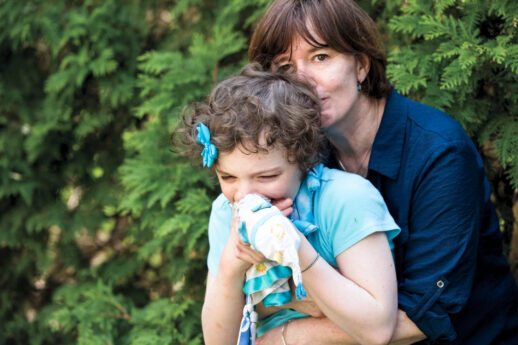
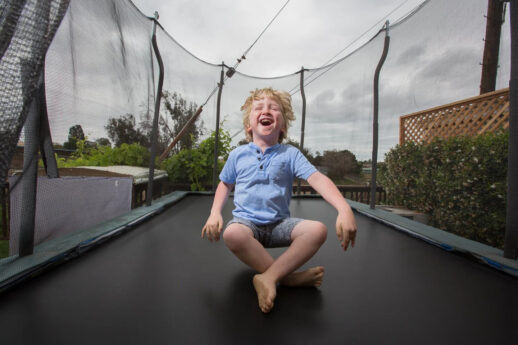
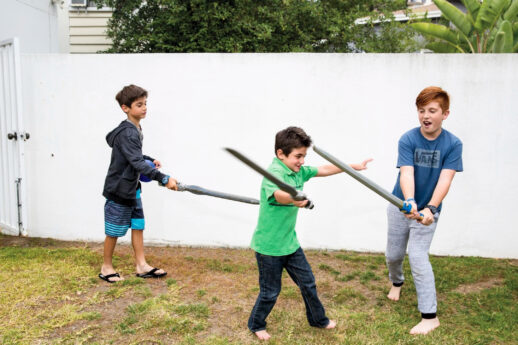
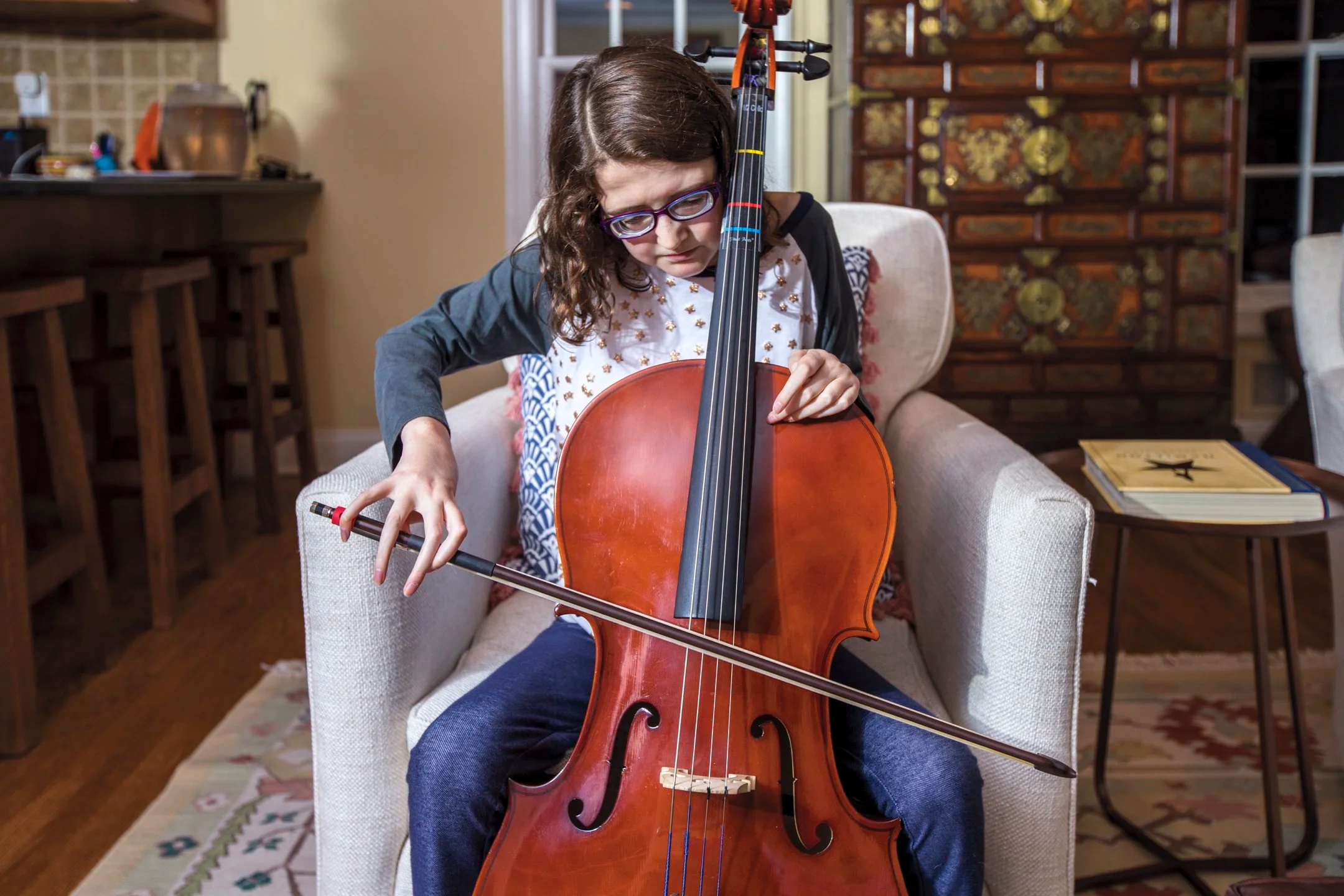
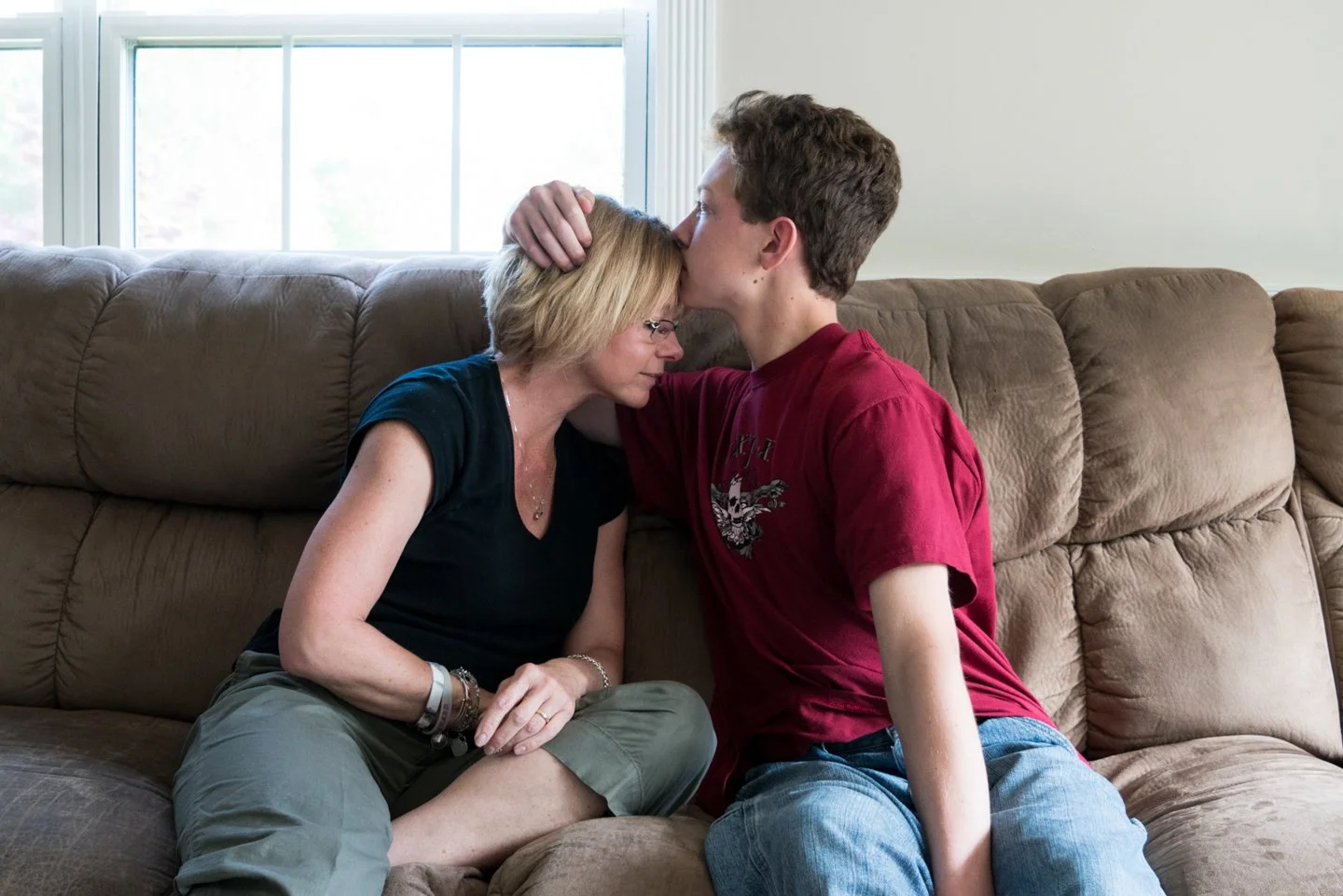
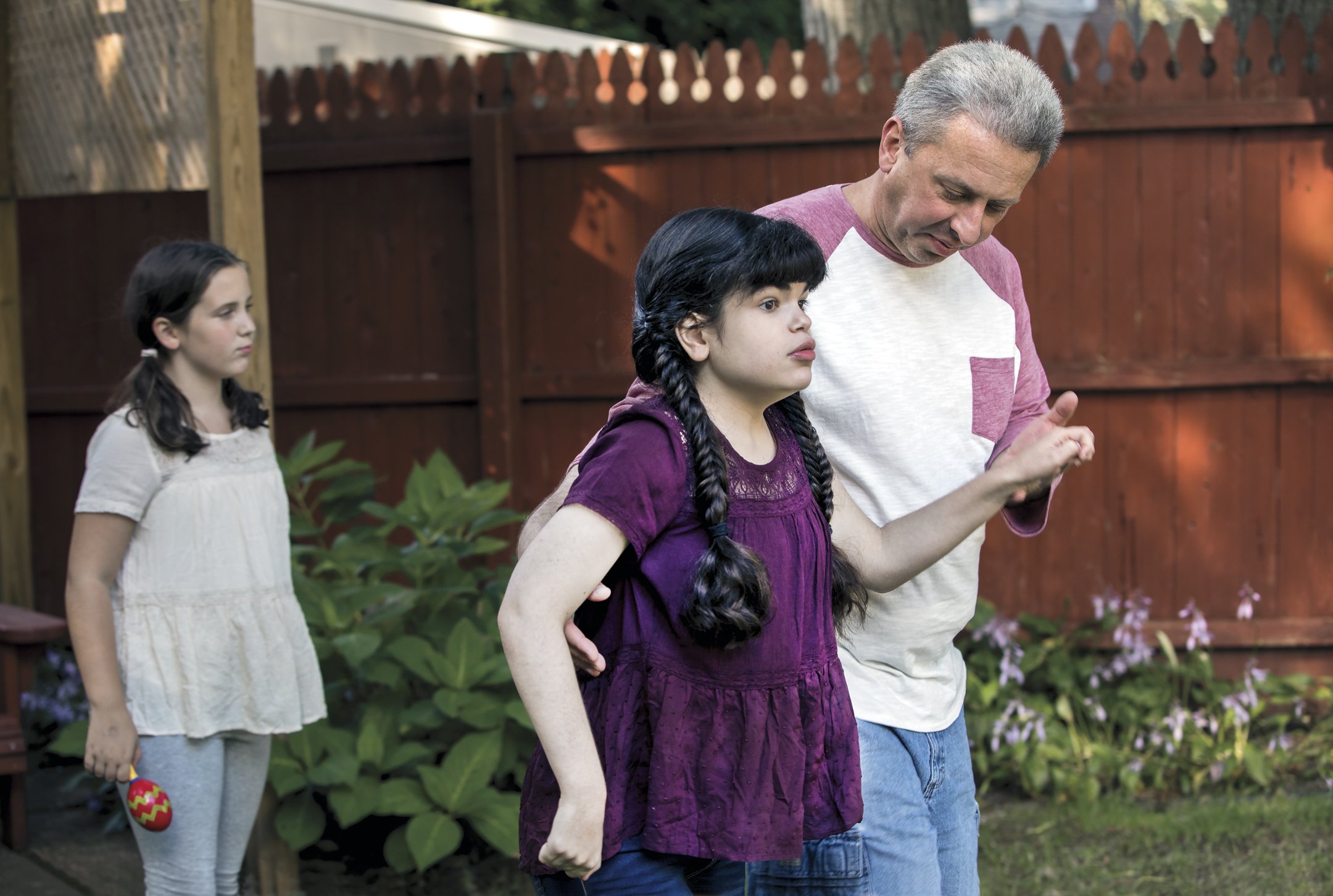
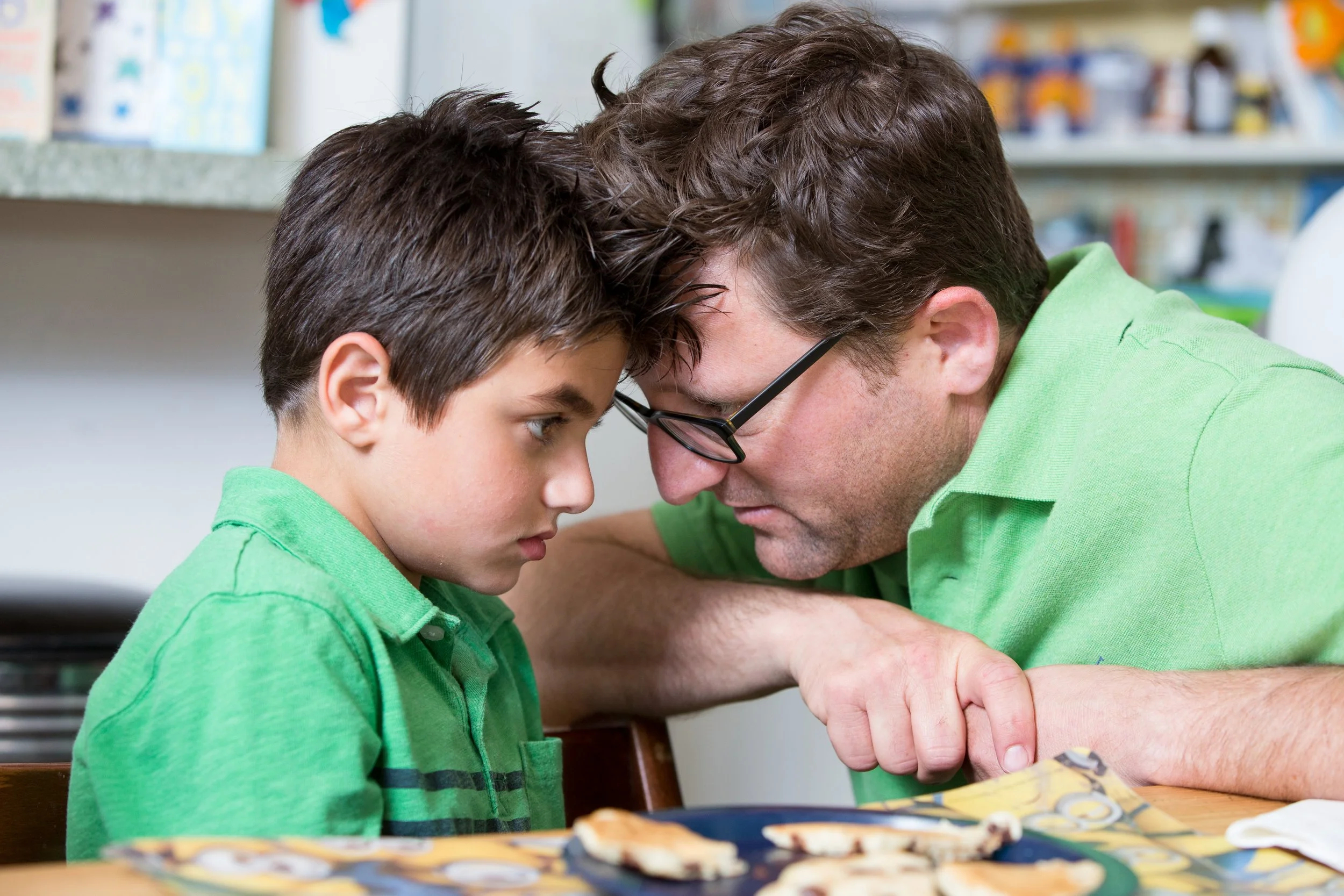
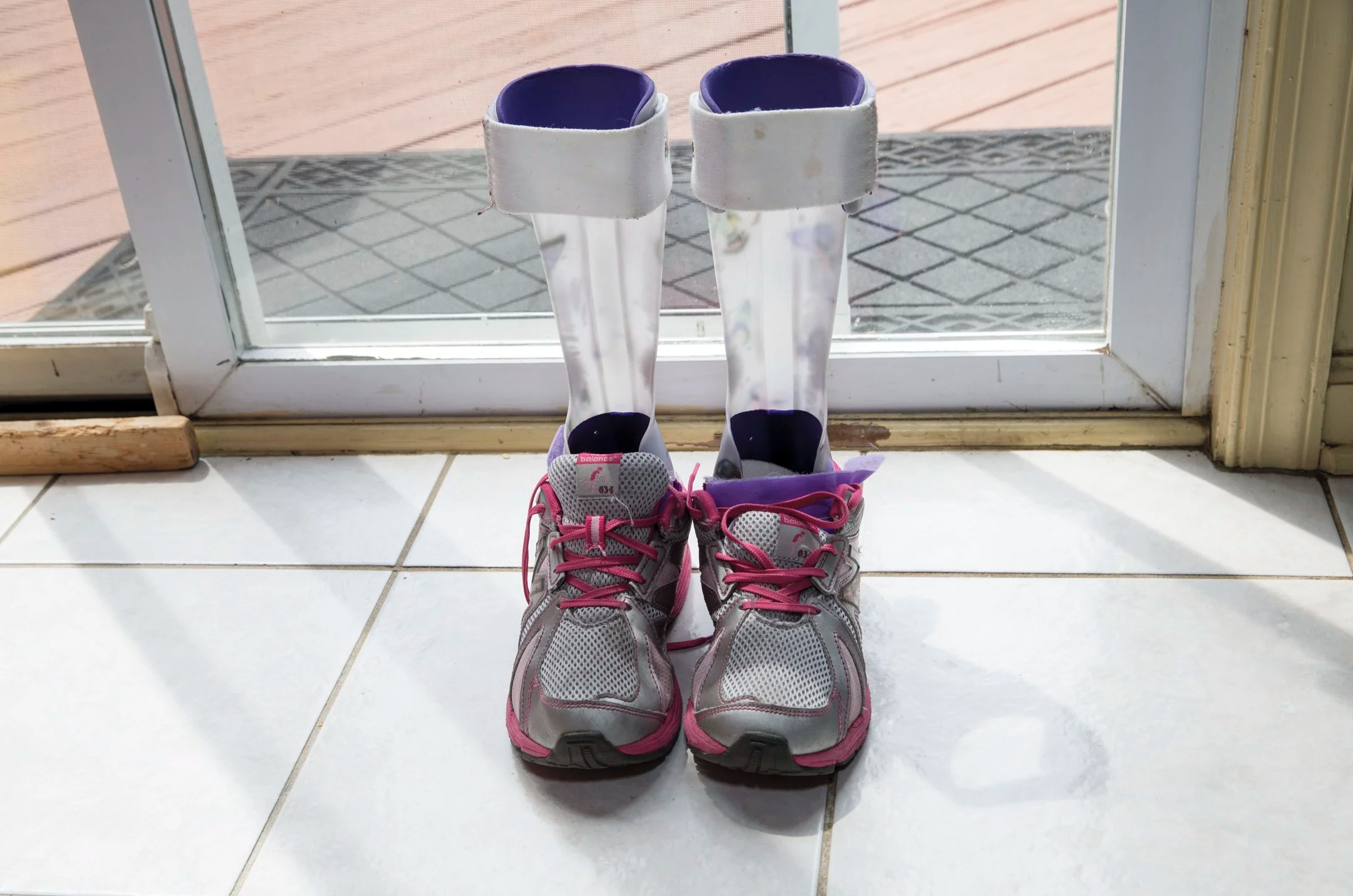
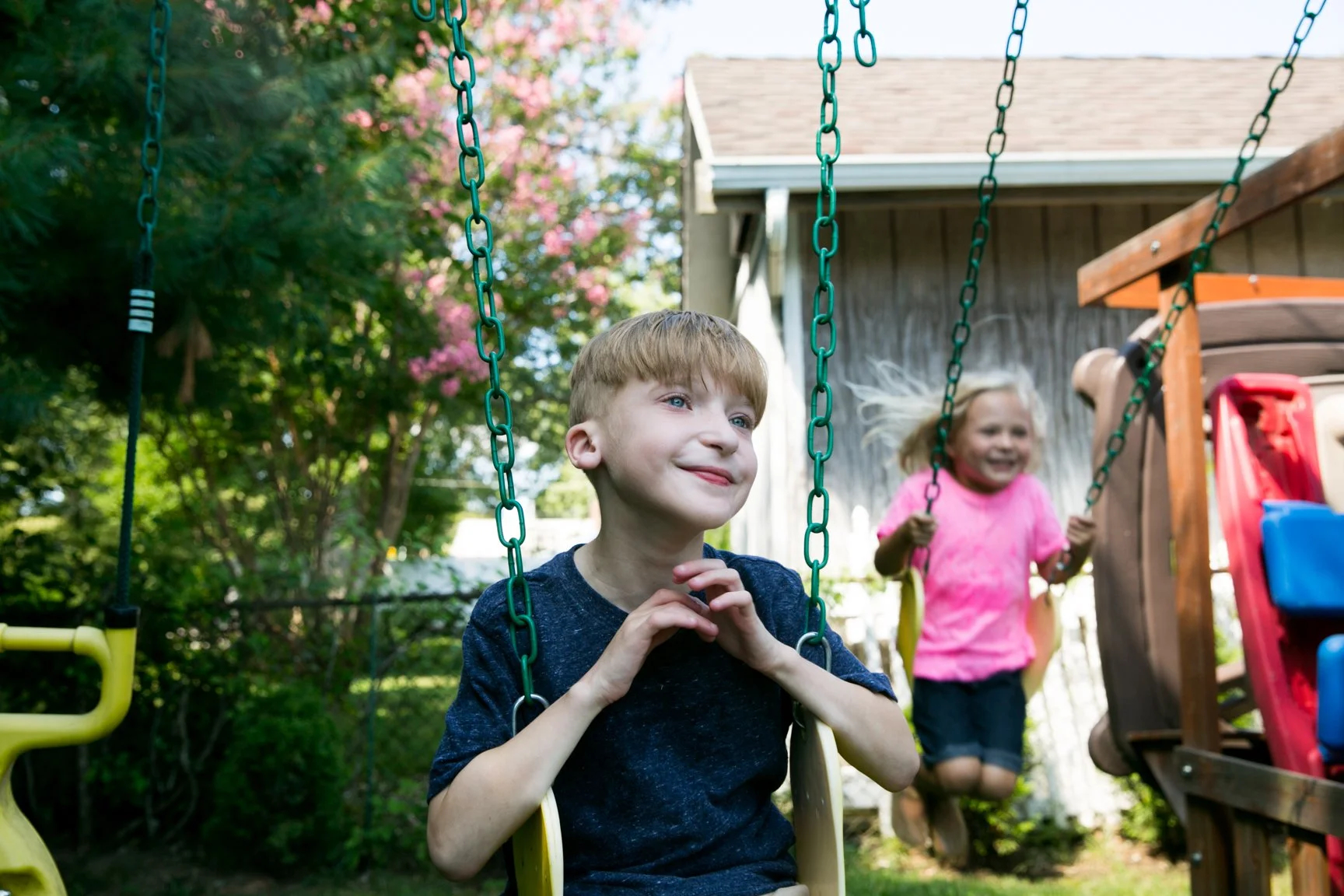
That realization became An Ordinary Day: Kids with Rare Genetic Conditions, a deeply personal two-year documentary project that shines a light on families whose lives are often misunderstood or overlooked.
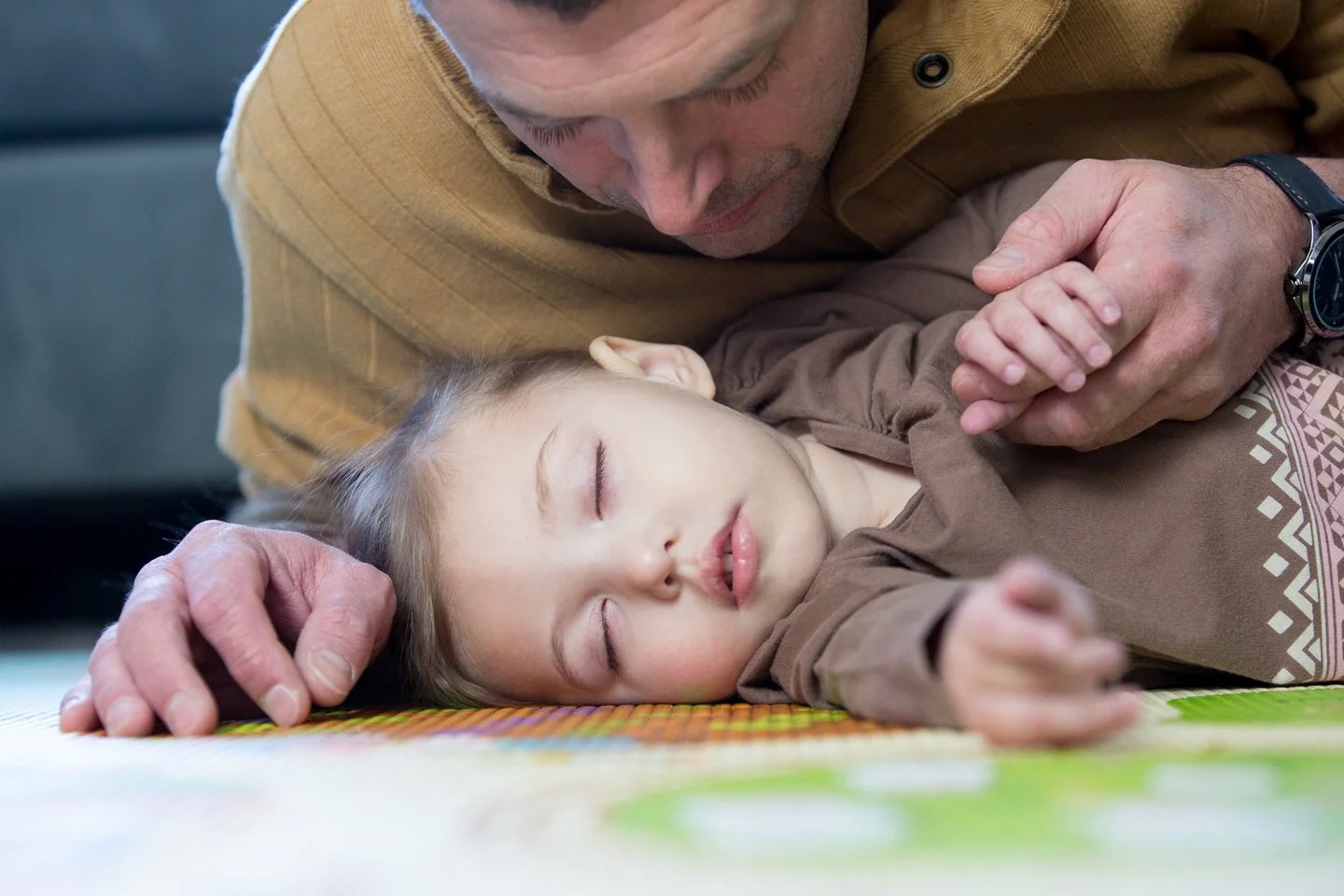
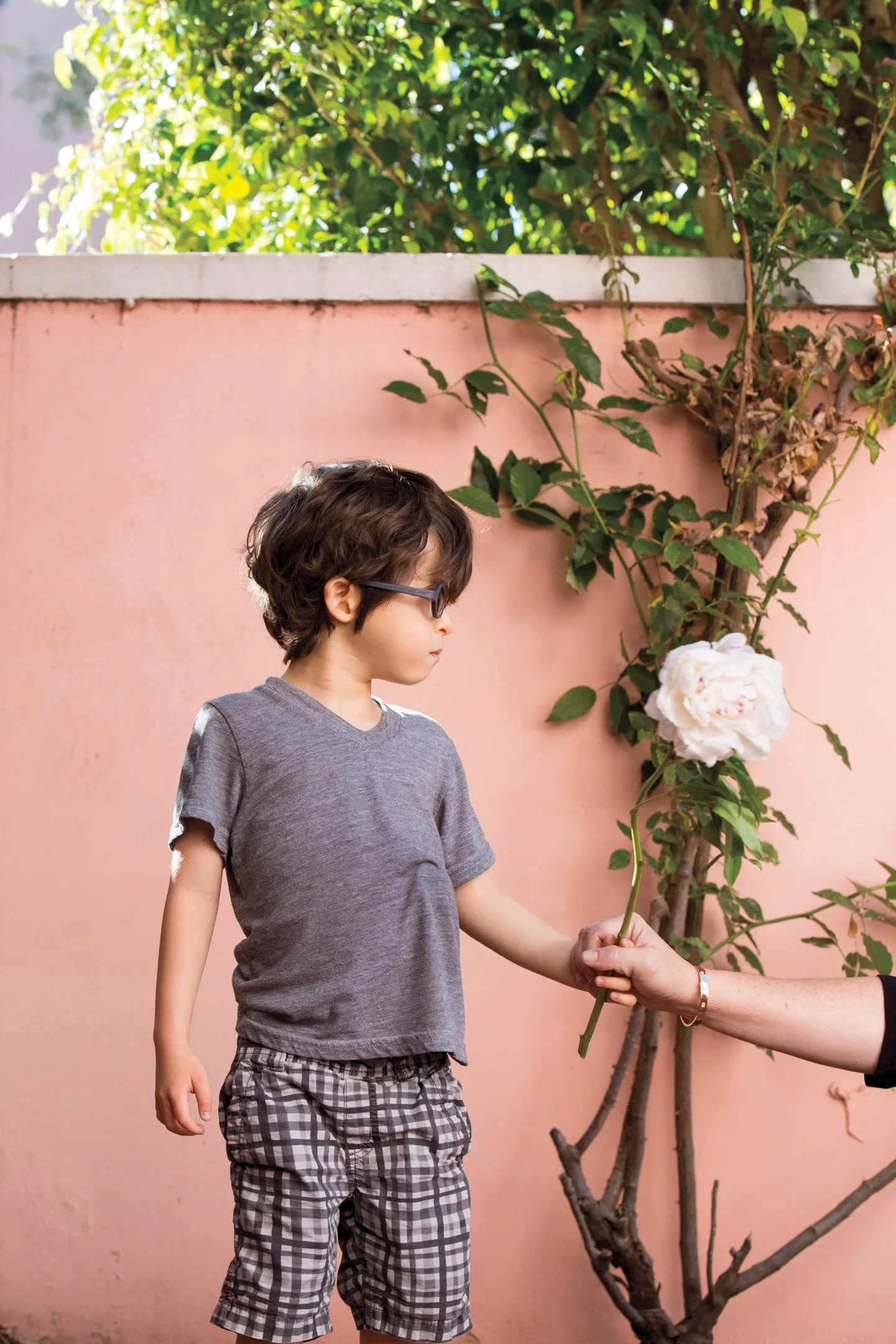
At first glance, the photographs feel wonderfully ordinary. Children jump on trampolines, splash in swimming pools, disappear beneath mountains of toys, or curl up on the couch with their siblings. Only after reading the accompanying stories does the extraordinary reality emerge: an 11-year-old living with Sanfilippo syndrome, often described as childhood Alzheimer’s. A four-year-old who was only the twenty-first person in the world diagnosed with her condition.
The project eventually led to a second book, After That Day: Stories of Epilepsy. Together, the two books have become defining chapters of Haberberg’s career and continue to influence the way she approaches every commercial assignment.
Ask Haberberg what photographing these families taught her, and she rarely talks about cameras.
She talks about listening. About slowing down.
About giving people permission to be themselves before asking them to stand in front of a lens.
Those lessons have become the foundation of her commercial photography.
Whether she’s photographing an executive, a patient, or a healthcare campaign, Haberberg believes the strongest images are created through connection rather than performance.
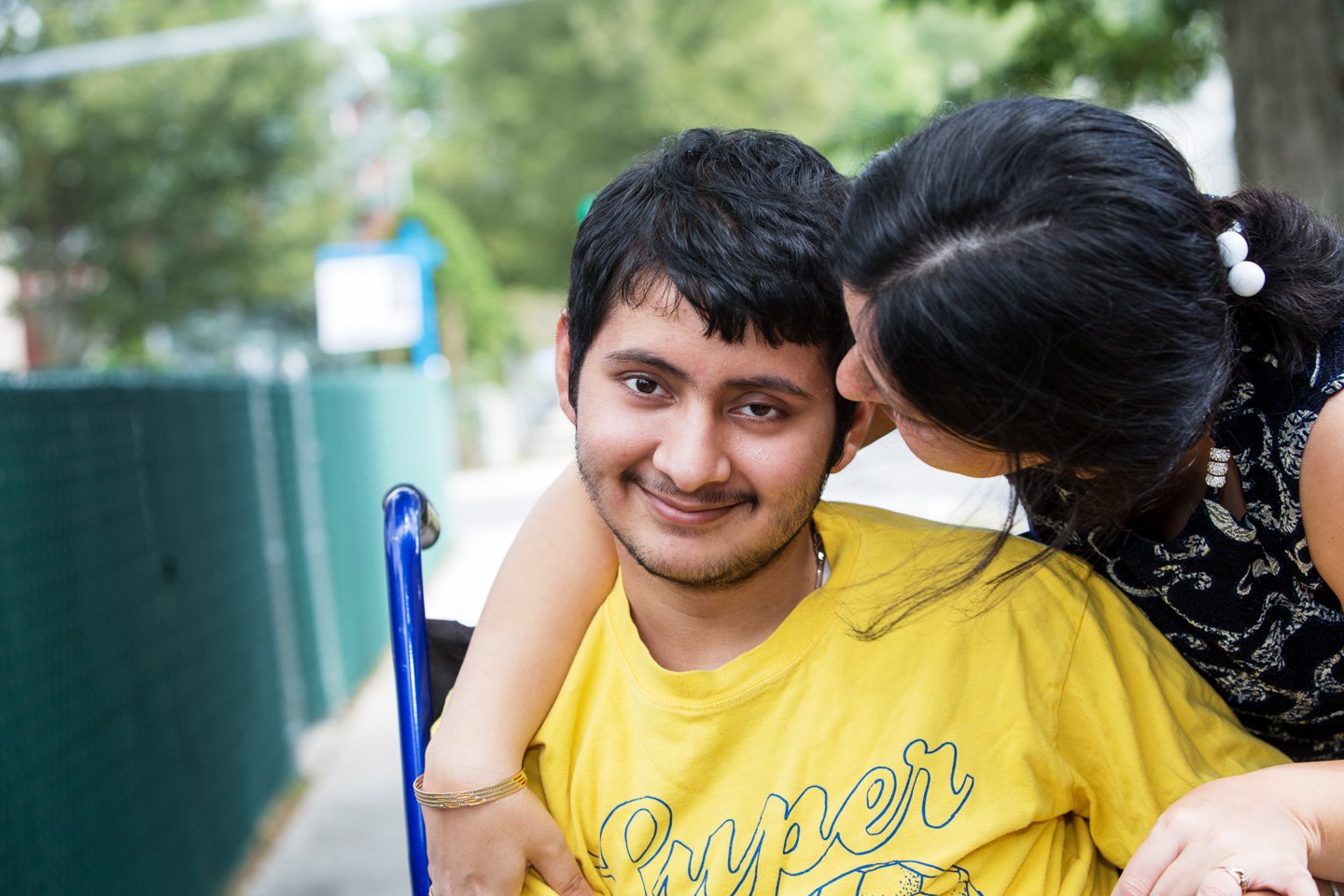
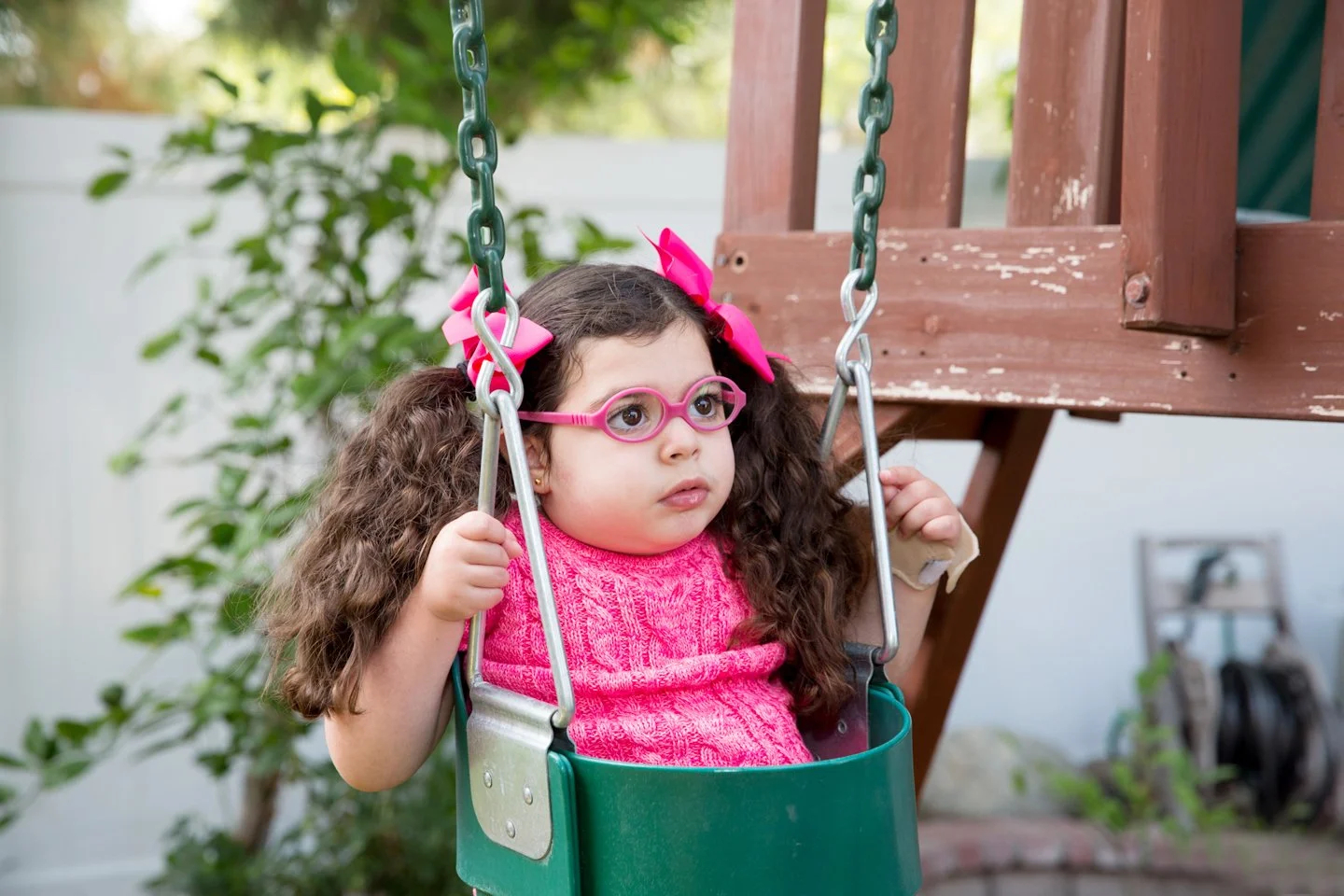
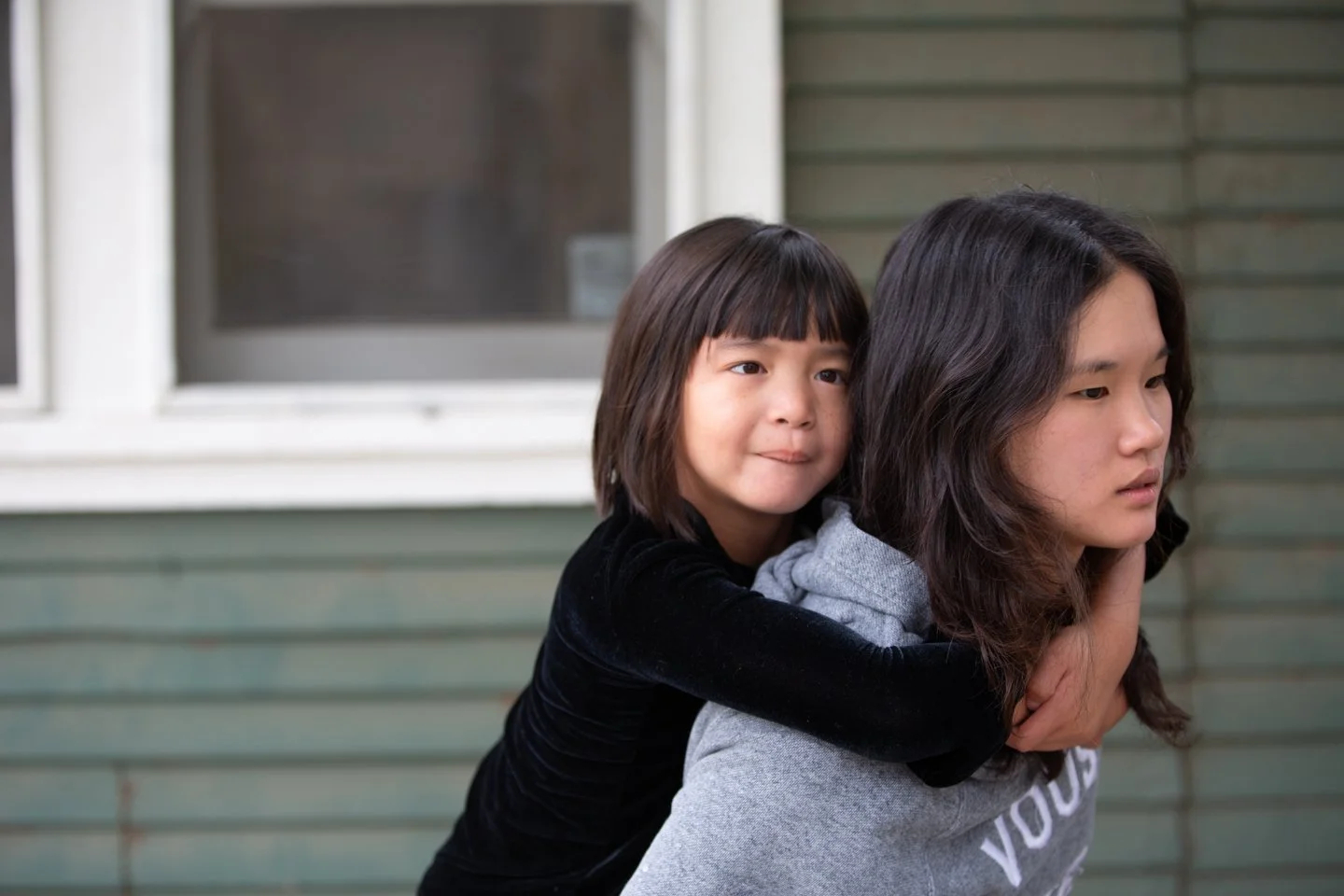
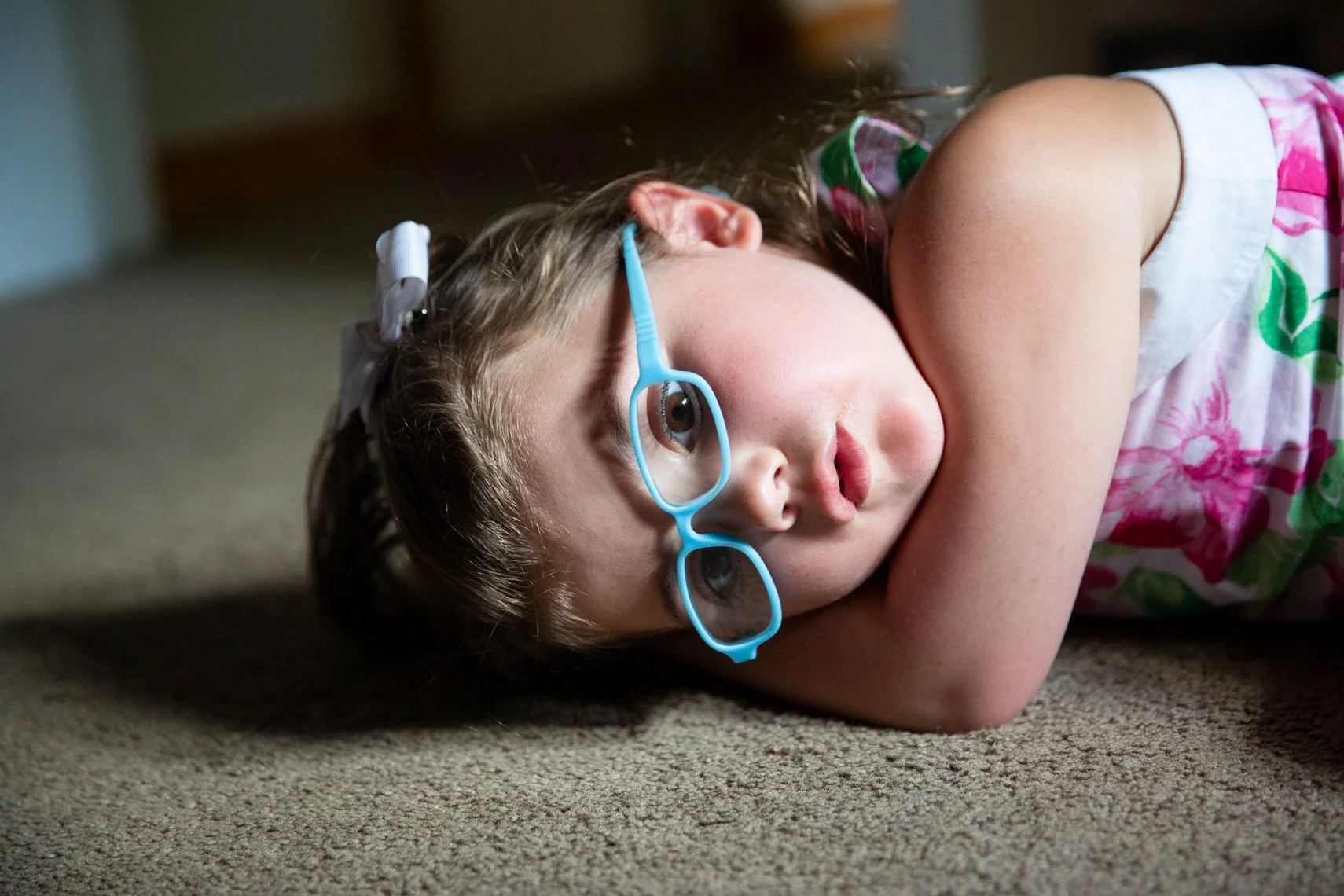
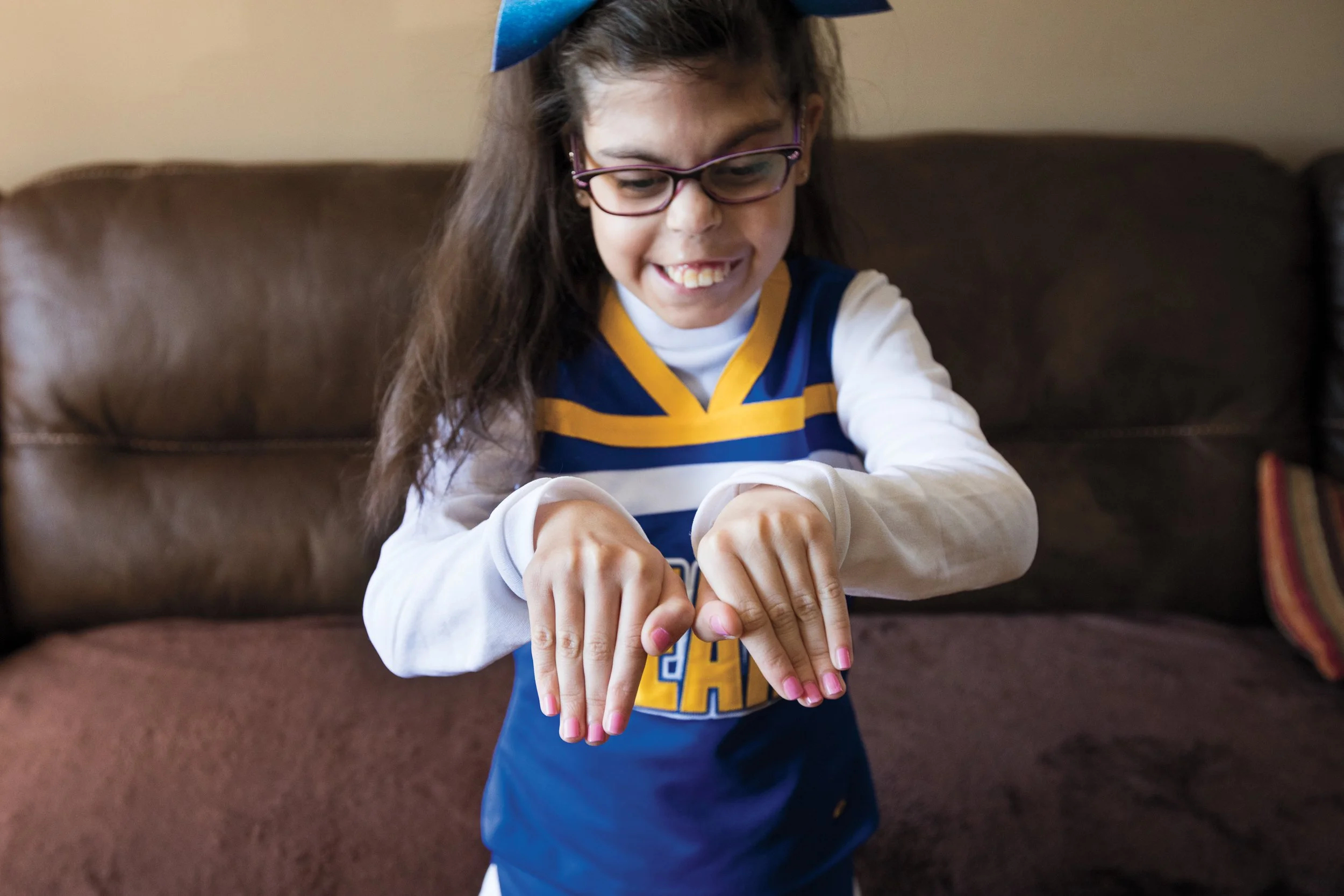
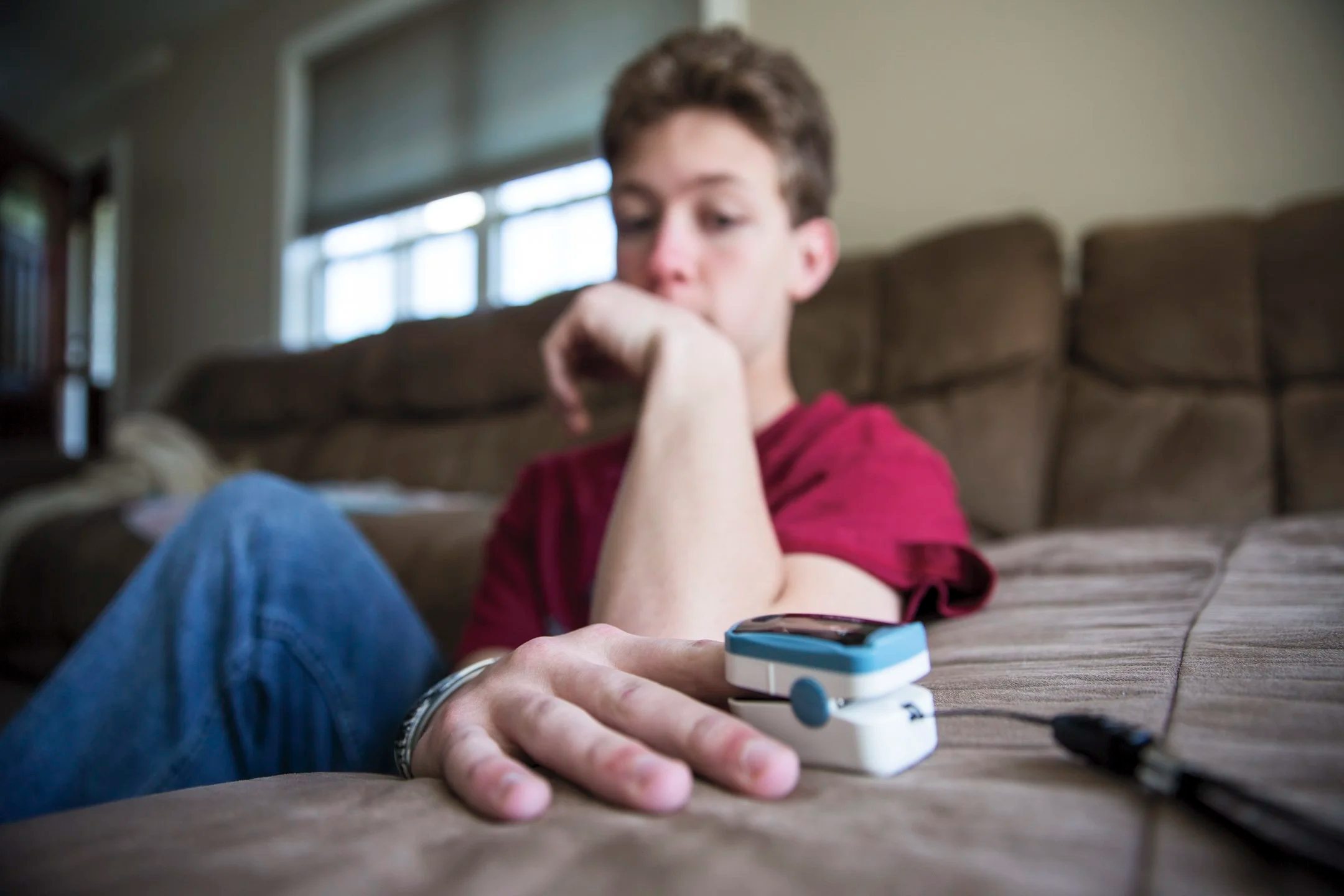
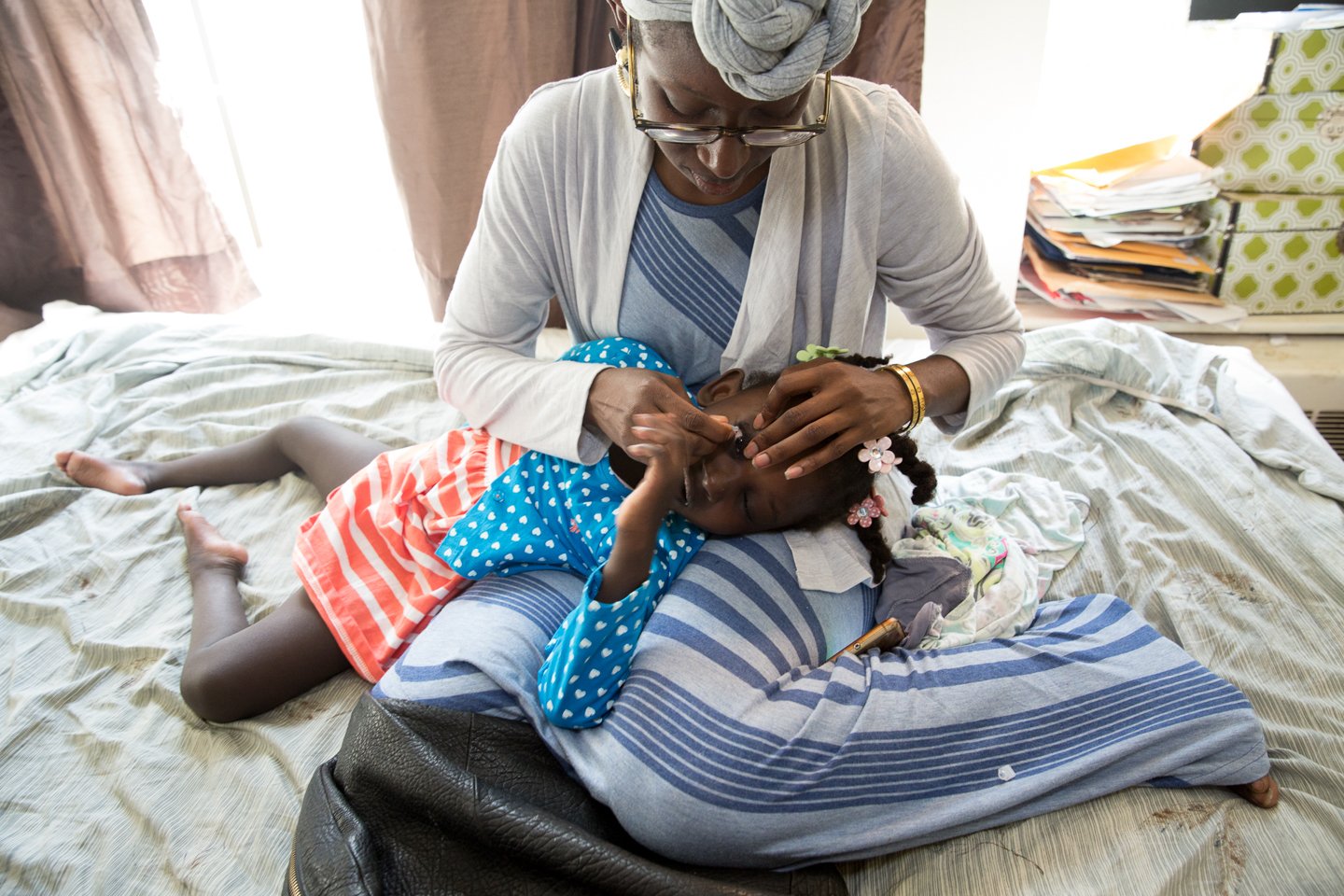
It’s an approach that has resonated with clients including Pfizer, Vabysmo, Amvuttra, Nutrafol, StriVectin, and Empower Bank. While technical expertise is essential, Haberberg believes authentic human connection is what transforms a competent portrait into an unforgettable one.
Years of photographing children with complex medical conditions taught her how to read a room; to know when to wait, when to step back, and when to gently step in. Those experiences shaped not only the way she photographs, but the way she connects with people.
“When people feel seen, respected, and guided, they stop performing for the camera,” she says. “That’s when the real moments happen.”
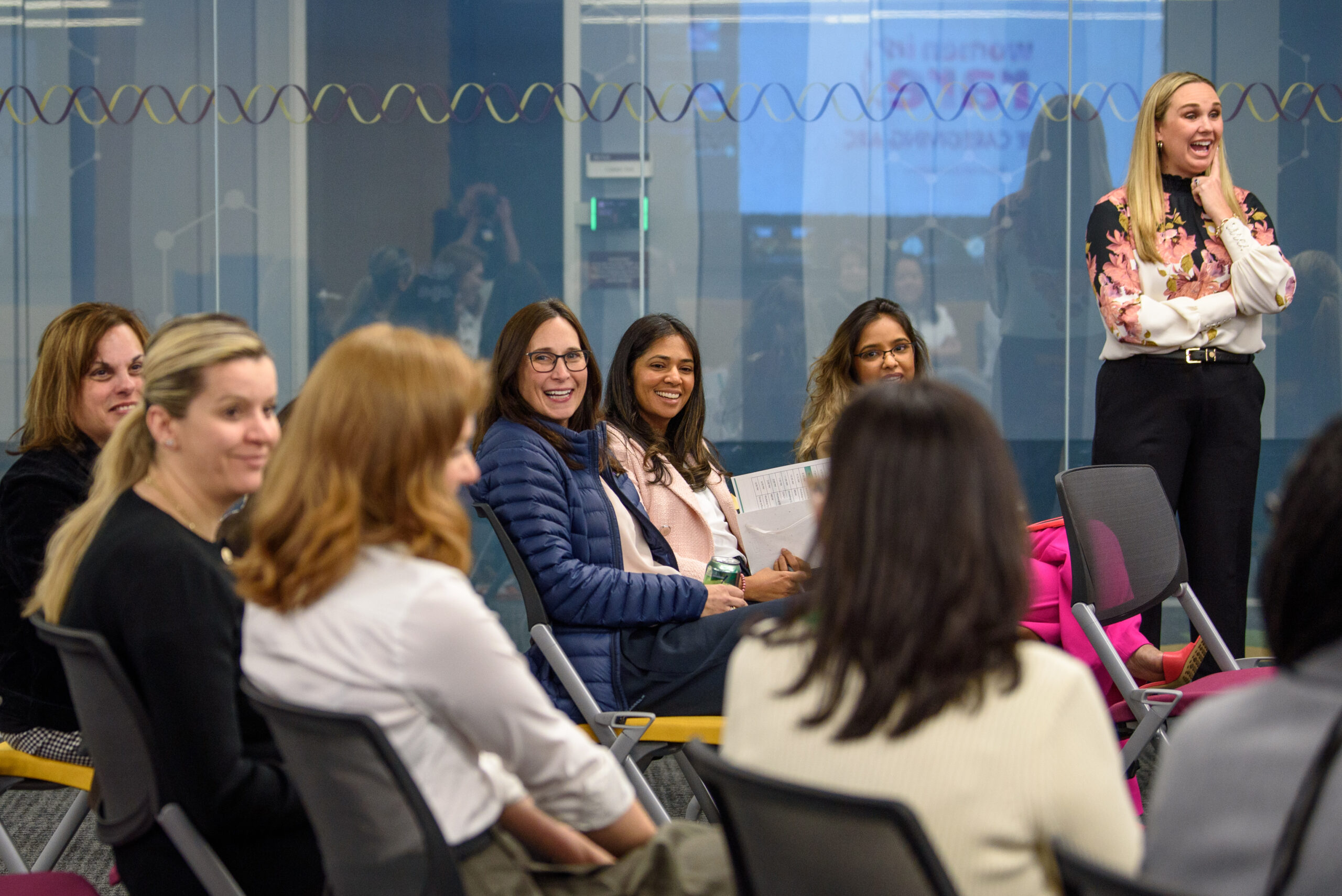
This spring, Haberberg was invited to speak at the 2026 Women in RARE Workshop hosted by Sarepta, where advocates, caregivers, clinicians, and industry leaders gathered to discuss advancing care for families affected by rare diseases. Every attendee received a copy of An Ordinary Day.
“I was honored to be among such incredible women in the rare disease community,” she says. “These are people who continue to push for meaningful change and advocate for families whose voices deserve to be heard.”
Her commitment extends well beyond photography. Haberberg serves on the boards of the Children’s Neuroblastoma Cancer Foundation and American Photographic Artists, and she returns year after year to photograph fundraising events that support pediatric cancer research.
It’s a pattern throughout her career.
She doesn’t simply document a cause and move on.
She builds relationships. She stays connected. She continues to give back.
“I always want the rare disease community to be part of my life,” she says. “If there’s a way I can help, through my photography, my voice, or my time—I want to be there.”
Whether she’s teaching portraiture at New York’s International Center for Photography, photographing the night sky for her fine art practice, or directing a national healthcare campaign, the philosophy remains remarkably consistent.
Every photograph begins with trust.
Because in Karen Haberberg’s world, the camera isn’t the most important part of the process.
The person in front of it is.
